
فهرست مطالب
- What Is the Best Material for Hydrochloric Acid Transport Tanks? An Examination of Chemical Resistance and Safety Considerations
- What is hydrochloric acid, and why does it require a specialized tanker?
- What is the best material for a hydrochloric acid transport tank?
- 1. Chemically resistant polyethylene (HDPE)
- 2. Metal tanks with an acid-resistant internal lining
- 3. Tanks made of reinforced polymeric materials
- Why does the material of an hydrochloric acid transport tank matter?
- Key Safety Points for Transporting Hydrochloric Acid by Tanker
- Assessing the compatibility of all tank components
- Preventing overfilling of the tank
- Proper Securing of the Tanker and Cargo
- Leak control and periodic inspection
- Use of Personal Protective Equipment
- Compliance with regulations for the transport of hazardous materials
- What factors influence the final selection of a tanker for transporting hydrochloric acid?
- جمعبندی
What Is the Best Material for Hydrochloric Acid Transport Tanks? An Examination of Chemical Resistance and Safety Considerations
تانکر حمل اسید کلریدریک Must From materials ...must be constructed using materials that offer adequate chemical resistance to the corrosive nature of this acid. Selecting the appropriate material for the tank is a critical factor in preventing chemical leaks, corrosion of the tank body, damage to equipment, and accidents during transportation. Given that hydrochloric acid is a widely used chemical across various industries, choosing the right tanker for its safe transport is of particular importance.
This article examines suitable materials for the construction of hydrochloric acid transport tankers, the rationale behind the selection of each material, and the most critical technical and safety considerations for transporting this substance.
You can also Hydrochloric acid ، سولفوریک اسید و نیتریک اسید The needs of your industries شرکت هادی کلر تهیه فرمایید.
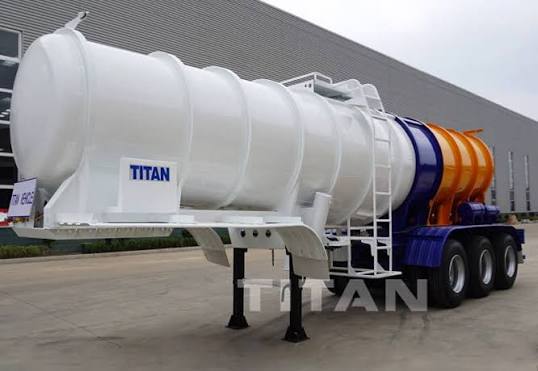
What is hydrochloric acid, and why does it require a specialized tanker?
Hydrochloric acid Hydrochloric acid is a corrosive chemical substance used in the chemical and metal industries, water treatment, the production of detergents, and many other industrial processes.
This acid can react with many metals, leading to corrosion, the degradation of the tank body, and damage to connections and transfer equipment. Furthermore, hydrochloric acid vapors—especially at high concentrations—can pose a hazard to the respiratory system and eyes, and may cause corrosion to surrounding equipment and structures.
For this reason, using standard tankers designed for transporting water or non-corrosive substances—without first assessing chemical compatibility—is inappropriate. An acid transport tank must be selected based on the acid concentration, transport temperature, duration of contact, and the specific conditions for loading and unloading.
What is the best material for a hydrochloric acid transport tank?
The choice of material for a hydrochloric acid transport tank depends on various factors, such as acid concentration, ambient temperature, transport conditions, potential pressures, and the tank's design. Some of the materials considered for the construction of tanks and equipment that come into contact with hydrochloric acid include:
1. Chemically resistant polyethylene (HDPE)
High-density polyethylene (HDPE) is a common choice for the construction of tanks used to store and transport certain chemicals, including hydrochloric acid under specific conditions.
Why is polyethylene chosen?
- Good chemical resistance to many concentrations of hydrochloric acid, subject to verification of the grade and application conditions.
- Does not rust, unlike metal tanks
- Relatively low weight and ease of manufacturing for integrated tanks
- The possibility of reducing the number of connections through proper tank design, thereby decreasing potential leak points.
However, not every type of polyethylene is suitable for every concentration and temperature. Factors such as impact resistance, long-term deformation, mechanical stresses, and installation conditions must also be taken into account during the tank's design. Furthermore, a polyethylene tank must be designed and certified to withstand loads resulting from vehicle movement, acceleration, braking, and road conditions.
2. Metal tanks with an acid-resistant internal lining
In certain industrial applications, metal tanks featuring an internal coating or a chemically resistant lining can be used. In this design, the metal shell provides structural strength, while the internal lining prevents direct contact between the acid and the metal.
The success of this method depends on the correct selection of the lining, the quality of its application, its chemical compatibility, and the prevention of damage to or delamination of the lining. Any cracks, scratches, or defects in the lining can allow the acid to come into contact with the underlying metal, initiating corrosion.
Therefore, the use of a lined metal tank is appropriate only when the entire system is designed for actual transport conditions and provisions are made for its inspection and maintenance.
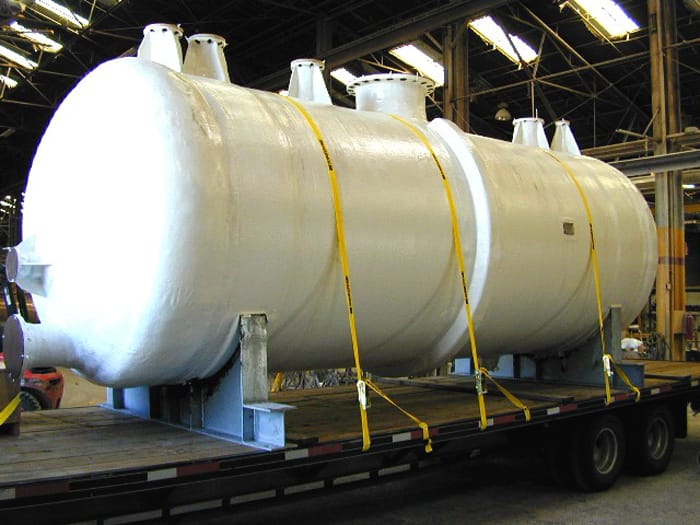
3. Tanks made of reinforced polymeric materials
In some applications, tanks made of composite or reinforced polymeric materials may also be considered. However, the chemical resistance of these tanks depends on the type of resin, the fibers, the inner layer in contact with the acid, and the quality of construction.
For this reason, not all composite tanks can be considered suitable for transporting hydrochloric acid. The selection of such a tank must be based on a review of the manufacturer's documentation and verification of chemical and mechanical compatibility.
Why does the material of an hydrochloric acid transport tank matter?
Selecting the appropriate material for a tank is not merely a technical or economic matter; rather, it is directly linked to transport safety, human health, and environmental protection.
Prevention of corrosion and perforation of the tank: If the material of the vessel is not compatible with the acid, a chemical reaction can, over time, lead to a reduction in wall thickness, the development of leaks, or the destruction of the vessel.
Preventing acid leakage during transport: A hydrochloric acid leak while a vehicle is in motion may cause harm to the driver, emergency responders, other vehicles, and the surrounding environment.
Maintaining the safety of connections and equipment: It is not just the tank body that must be resistant; the discharge valve, flanges, gaskets, hoses, and fittings must also be compatible with the acid and the operating conditions.
Reduction of repair and maintenance costs: Selecting the right materials can reduce the likelihood of premature failure and operational downtime, and extend the service life of equipment.
Maintaining cargo quality: Equipment corrosion and unwanted reactions can lead to cargo contamination or the formation of by-products. Selecting the appropriate material for the tank helps maintain the quality of the chemical substance.
Key Safety Points for Transporting Hydrochloric Acid by Tanker
Even if the tank material has been correctly selected, it is essential to observe safety precautions during loading, transport, and unloading.
Assessing the compatibility of all tank components
The vessel body, internal lining, valves, gaskets, hoses, and drainage equipment must be selected based on the concentration and temperature of the acid. Using a resistant material for the vessel body alone does not guarantee the safety of the entire system.
Preventing overfilling of the tank
The tank must have sufficient void space to accommodate liquid expansion and anticipated operating conditions. The permissible fill level should be determined based on the tank design, the characteristics of the cargo, and transport regulations.
Proper Securing of the Tanker and Cargo
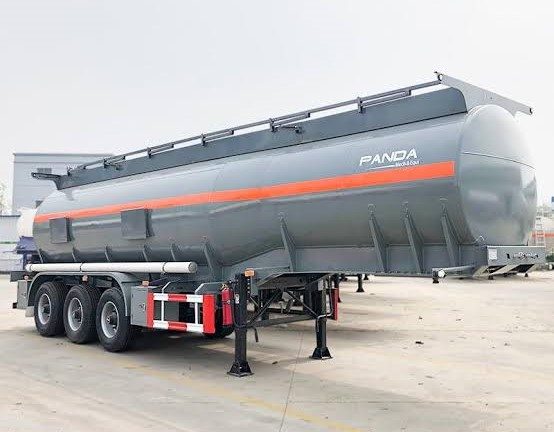
In road tankers, the design and securing of the tank must account for loads resulting from braking, cornering, acceleration, and the movement of the liquid within the tank. Since the movement of the liquid can affect the vehicle's stability, proper structural design and adherence to permissible capacity limits are of great importance.
Leak control and periodic inspection
Prior to loading and during periodic inspections, the tank shell, connection points, valves, and hoses must be examined for leaks, cracks, corrosion, deformation, and potential damage. For tanks with internal linings, the integrity of the lining must also be assessed in accordance with the manufacturer's instructions.
Use of Personal Protective Equipment
Based on a risk assessment, personnel involved in loading and unloading operations must use appropriate personal protective equipment (PPE) to protect against acid splashes and vapors. The operational area must also be equipped with adequate ventilation, spill control equipment, and a clearly defined emergency response plan.
Compliance with regulations for the transport of hazardous materials
The tanker must comply with regulations concerning the road transport of hazardous materials in terms of design, capacity, securement, warning signs, safety equipment, and required documentation. Selecting a tank based solely on chemical resistance—without considering road transport requirements—is insufficient.
What factors influence the final selection of a tanker for transporting hydrochloric acid?
To select the appropriate tanker, it is necessary to precisely define the technical specifications of the cargo and the operating conditions. The most important factors include:
- Concentration of hydrochloric acid
- Loading, transport, and unloading temperature
- Required capacity and type of vehicle
- Duration of acid contact with the tank
- Chemical resistance of the body, lining, and connections
- Road conditions and mechanical loads applied to the tank
- Legal requirements and standards regarding the transport of hazardous materials
- Possibility of tank inspection, repair, and maintenance
Ultimately, the appropriate material for the tank must be selected based on the specific operational requirements and subject to technical approval; this is because a material suitable for a given concentration and temperature may not perform satisfactorily under different conditions.
جمعبندی
Selecting the appropriate material for a hydrochloric acid transport tank is a critical factor in ensuring the safety of transporting this chemical. Depending on the specific application conditions, options such as chemically resistant polyethylene, metal tanks with suitable linings, or certain composite materials may be considered. However, no single material can be definitively deemed the best choice without accounting for factors such as acid concentration, temperature, tank design, and transport conditions.
Assessing the chemical compatibility of the tank body and fittings, ensuring a design suitable for road transport, conducting periodic inspections, and adhering to regulations for the transport of hazardous materials—along with selecting the appropriate material for the tank—help mitigate the risks of leaks, corrosion, and potential damage. Therefore, before manufacturing or selecting a tanker for transporting hydrochloric acid, the technical specifications of the cargo and the actual transport conditions must be carefully evaluated.